Why We Film Weddings with Cinema Cameras
The cameras we choose aren't just about image quality — they're about making sure your wedding film looks and feels genuinely cinematic in any light.
About this post
The cameras we choose aren't just about image quality — they're about making sure your wedding film looks and feels genuinely cinematic in any light.
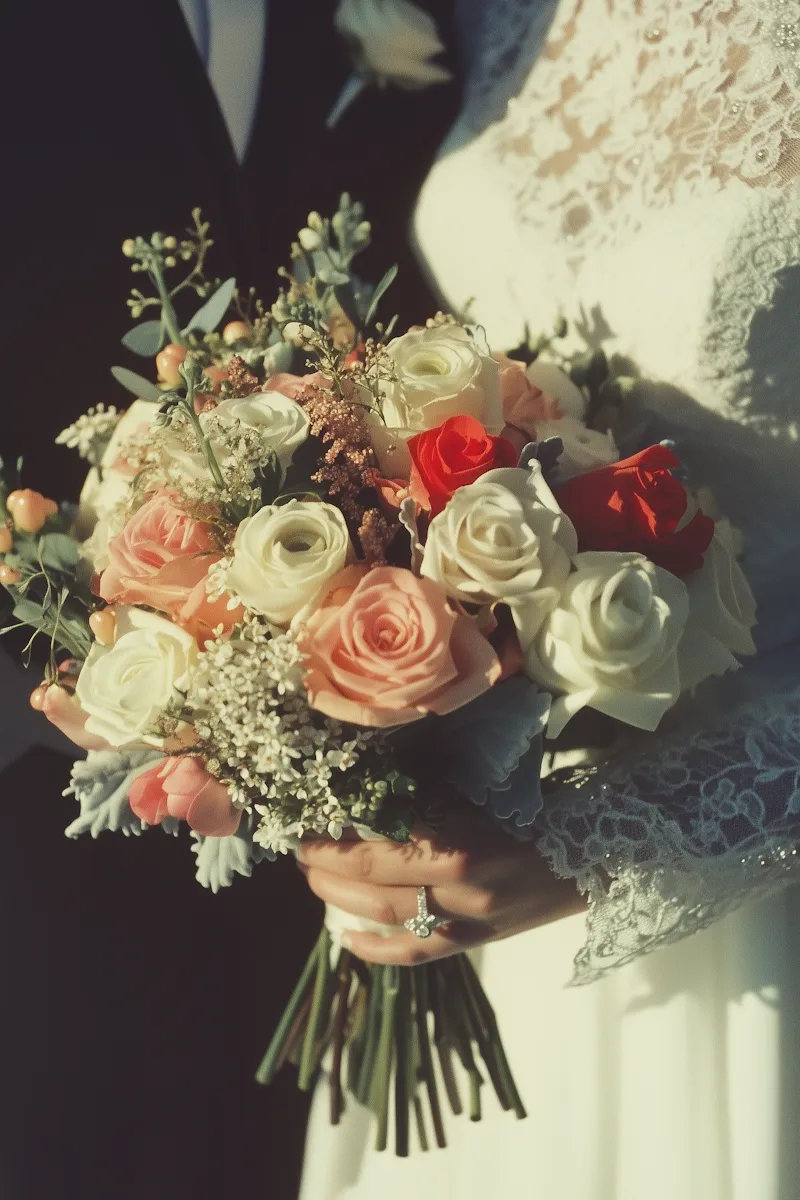
We use Sony FX6 cinema cameras at every wedding we film. Not consumer cameras. Not adapted DSLRs. Cinema cameras — the same class of equipment used in professional television and film production.
That choice is deliberate, and it makes a real difference to your wedding film.
The problem with ordinary cameras at weddings
Weddings are unpredictable. The light in a church at 3pm is completely different from the light at a vineyard at sunset. A reception hall often has warm tungsten lighting mixed with coloured uplights and a DJ’s LED rig. An outdoor ceremony might shift from overcast to bright sun and back again within an hour.
Consumer cameras struggle in these conditions. They produce noisy, muddy images in low light. They clip highlights in bright conditions. They don’t give you the latitude to correct colour in post-production.
Cinema cameras handle all of this differently.
What the FX6 does better
The Sony FX6 has a full-frame sensor with exceptional low-light performance. We regularly film reception dances in dim, candle-lit rooms without adding any artificial light. The result is imagery that feels natural and intimate rather than lit-for-television.
The camera shoots in Sony’s S-Log3 gamma, which captures far more dynamic range than standard profiles. This means highlights in a bright window behind your ceremony don’t blow out to white, and shadows in a dimly lit speech still have detail.
What this means for you
It means your wedding film looks like a wedding film — not like home video shot in difficult conditions.
It means we can follow you naturally through the day without setting up lights or asking you to move for the camera.
And it means the imagery we give you will still look beautiful in ten years, twenty years, and beyond.
Get in touch if you’d like to talk about your day.
More Reading
After the Wedding: How We Edit Your Film
The filming is done. Now what? Here's what happens between your wedding day and the moment you watch your film for the first time.
The Craft of Wedding Audio: Why Your Vows Sound So Good
Great wedding audio doesn't happen by accident. Here's how we capture vows, speeches, and ceremony sound with the clarity they deserve.
How Your Wedding Timeline Affects Your Film
A well-planned timeline doesn't just make your day run smoothly — it also gives your videographer the best possible conditions for a beautiful film.